
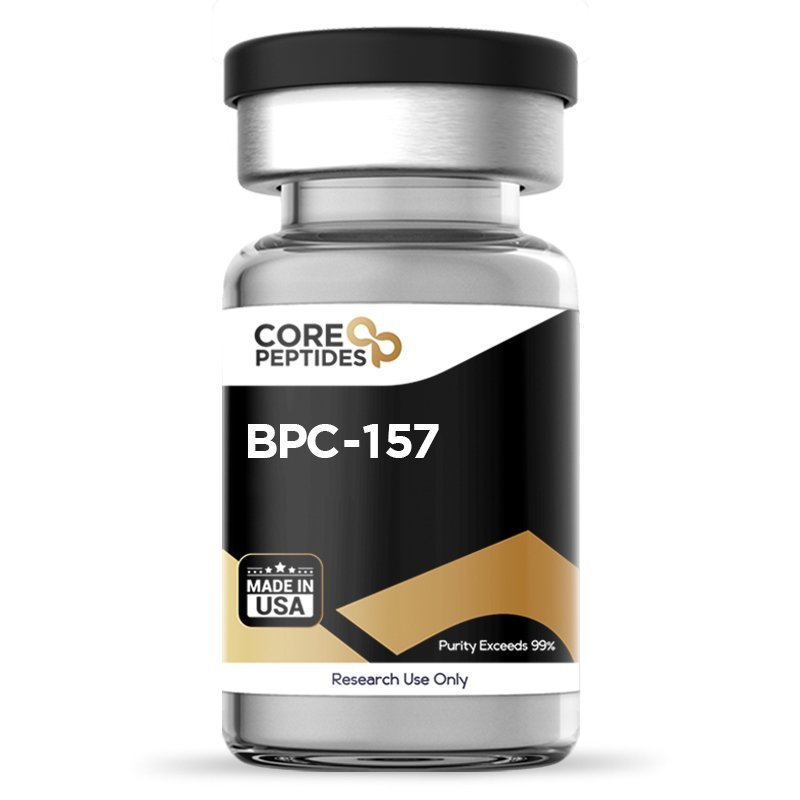
BPC-157 peptide (5mg /10mg)
Price range: $55.00 through $100.00
BPC-157 is a synthetic 15 amino acid peptide supplied by Cvspharmacyinc for laboratory research use. Scientific literature associates this peptide with cellular signaling pathways involved in inflammation regulation, vascular response, collagen organization, and tissue structure behavior in experimental models. This product is intended strictly for research and educational analysis.
Description
BPC-157 Peptide Product Description
BPC-157 peptide, also referred to as Body Protection Compound 157 or pentadecapeptide BPC-157, is a fully synthetic peptide composed of fifteen amino acids. The peptide sequence is associated with a fragment derived from gastric juice proteins and has become a focus of extensive laboratory research due to its stability and broad biological signaling profile.
Cvspharmacyinc supplies BPC-157 strictly for laboratory research and educational analysis. Scientific findings referenced for this compound originate from controlled experimental and preclinical models.
What Is BPC-157 peptide
BPC-157 is a short-chain peptide consisting of 15 amino acids. Its compact structure contributes to high stability in experimental environments. Researchers describe BPC-157 as part of a broader peptidergic defense response studied across multiple tissue systems.
The peptide receives attention due to its interaction with cellular signaling pathways linked to tissue organization, vascular behavior, inflammatory regulation, and extracellular matrix activity. Research explores its influence across connective tissue, muscle, gastrointestinal tissue, nervous system models, and vascular structures.
BPC-157 peptide and Cellular Signaling
Laboratory studies associate BPC-157 with modulation of intracellular signaling pathways involved in tissue response. Research highlights interaction with nitric oxide signaling systems, which regulate vascular tone, endothelial integrity, and blood flow dynamics.
Experimental findings describe normalization of nitric oxide activity under both elevated and suppressed conditions. This balancing role supports endothelial stability and microvascular protection in research models.
BPC-157 research also links the peptide to activation of early growth response genes such as Egr-1 and its regulator NAB2. These genes participate in cellular organization, extracellular matrix formation, and repair signaling.
BPC-157 peptide and Angiogenesis Research
Angiogenesis represents a core focus in BPC-157 research literature. Studies describe increased blood vessel formation in experimental injury models exposed to the peptide. This response supports oxygen delivery and nutrient transport within damaged cellular structures.
Research links BPC-157 exposure to elevated expression of vascular endothelial growth factor and enhanced endothelial cell activity. Increased endothelial migration and tube formation appear consistently across laboratory assays.
Preservation of vascular patency and endothelial survival emerges as a recurring theme. These effects create favorable conditions for vessel sprouting and maturation in experimental settings.
BPC-157 peptide and Collagen Organization
Collagen formation and organization receive significant attention in BPC-157 research. Experimental models show higher levels of collagen and reticulin fibers following peptide exposure. These structural proteins support tissue strength and mechanical stability.
Studies on fibroblast cultures report increased cell migration, spreading, and survival under oxidative stress. These properties support repopulation of damaged tissue areas during experimental repair processes.
At the molecular level, BPC-157 exposure correlates with increased phosphorylation of focal adhesion kinase and paxillin. These proteins regulate cell adhesion and movement within the extracellular matrix. Activation of this signaling pathway supports coordinated fibroblast behavior during tissue organization.
BPC-157 peptide and Tendon Research
Tendon and ligament research models highlight BPC-157 involvement in connective tissue behavior. In vitro studies describe enhanced tendon fibroblast outgrowth and improved cellular resilience during oxidative stress conditions.
Experimental data shows increased migration of tendon fibroblasts and improved cytoskeletal organization. F-actin formation plays a central role in this process, supporting structural stability and directional movement.
These observations support research interest in BPC-157 across connective tissue organization and mechanical structure studies.
BPC-157 peptide and Gastrointestinal Research
Gastrointestinal tissue represents one of the earliest and most studied research areas for BPC-157. The peptide demonstrates consistent stability and activity across various segments of the gastrointestinal tract in experimental models.
Research compares BPC-157 against established growth factors such as EGF, FGF, and VEGF. Findings describe consistent tissue response across acute and chronic injury models involving the esophagus, stomach, duodenum, and lower intestinal tract.
Studies also explore BPC-157 interaction with serotonin signaling in gastrointestinal tissue. Research describes modulation of serotonin receptor activity, which influences gastric secretion, mucosal integrity, and local blood flow regulation.
BPC-157 peptide and Muscle Research
Muscle injury models also appear frequently in BPC-157 research literature. Experimental studies involving corticosteroid induced muscle damage describe significant structural deterioration in control groups.
Models exposed to BPC-157 show restoration of muscle fiber structure and improved functional recovery during observation periods. These findings support continued research interest in muscle tissue organization and recovery signaling pathways.
BPC-157 peptide and Nervous System Research
Central nervous system research explores BPC-157 involvement in neuroprotective signaling. Experimental traumatic brain injury models show reduced lesion severity, lower edema formation, and improved early survival metrics following peptide exposure.
Research describes reduced hemorrhagic damage and improved structural preservation in neural tissue models. These outcomes highlight the peptide’s interaction with neurovascular and inflammatory signaling pathways.
Additional studies explore interaction with neurotransmitter systems including dopamine related signaling. Experimental findings describe normalization of behavioral responses following exposure to dopamine agonists in laboratory settings.
Chemical Specifications
Molecular formula
C62H98N16O22
Molecular weight
1419.55 g per mol
Alternate name
Body Protection Compound 157
Research Use Statement
BPC-157 supplied by Cvspharmacyinc is intended solely for laboratory research and educational use. This product is not approved for human or veterinary consumption. All referenced effects derive from controlled experimental environments.
Cvspharmacyinc provides BPC-157 with a focus on documentation, quality handling, and research transparency for scientific investigation purposes.
Certificate of analysis
Additional information
| Dosage | 5mg, 10mg |
|---|
Related products
-
- peptides
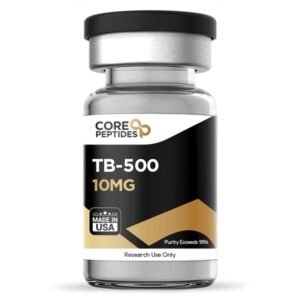
TB-500 (thymsoin beta 4) (5mg /10mg)
- Price range: $85.00 through $150.00
- Select options This product has multiple variants. The options may be chosen on the product page
Reviews
There are no reviews yet.