
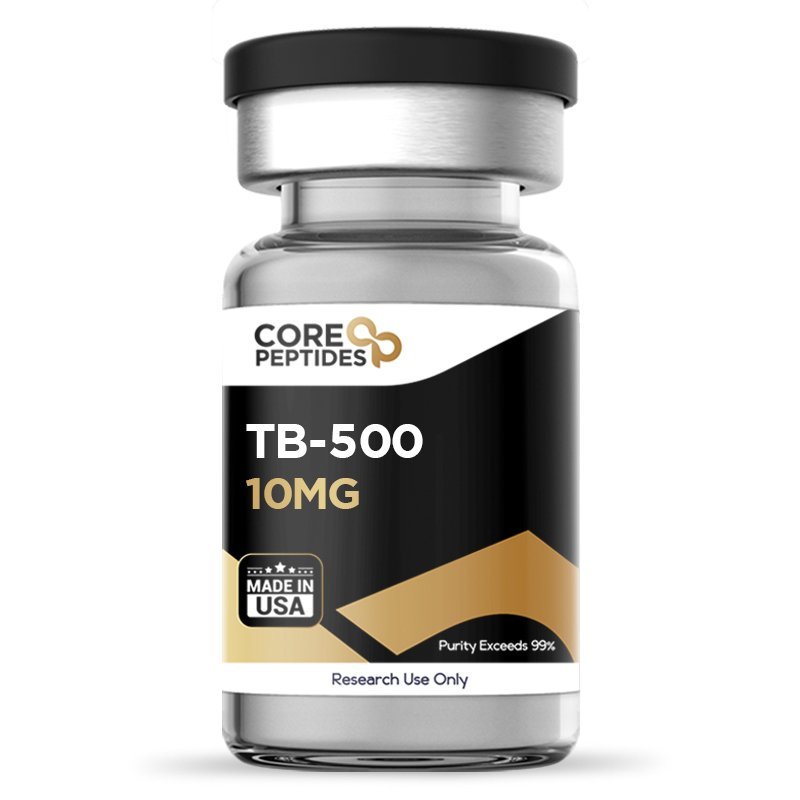
TB-500 (thymsoin beta 4) (5mg /10mg)
Price range: $85.00 through $150.00
TB-500 is a synthetic peptide based on Thymosin Beta-4. Researchers study it for its role in cell structure, movement, and tissue repair signaling. Its interaction with actin links it to cellular migration and regeneration pathways.
Key features.
• Synthetic Thymosin Beta-4 peptide
• 43 amino acid sequence
• High solubility and low molecular mass
• Studied in wound, tissue repair, and angiogenesis models
• Used in cellular and molecular research settings
This product is supplied for laboratory research use only.
It is not intended for human or veterinary application.
Description
TB-500 peptides (thymsoin beta 4)
TB-500 peptides (Thymosin Beta 4), is a synthetic peptide modeled after a naturally occurring protein found in human cells. Researchers study it for its role in cellular structure, movement, and repair processes.
TB-500 interacts with actin, a core protein of the cell cytoskeleton. This interaction influences cell migration and structural flexibility, which explains why research often focuses on tissue repair, wound response, and cellular regeneration pathways.
Key product details:
• Synthetic form of Thymosin Beta-4
• Composed of 43 amino acids
• Highly soluble and lightweight peptide
• Commonly detected in wound environments in natural form
• Studied for actin binding and cell mobility activity
Research observations associate TB-500 with:
• Support of cell movement and organization
• Angiogenesis related pathways
• Tissue repair signaling
• Inflammatory response modulation
• Neurological and epidermal research models
This product is supplied for laboratory and research use only. It is not intended for human or veterinary application.
TB-500 is a synthetic peptide modeled after Thymosin Beta 4. Researchers study it for its role in tissue repair, cell migration, and inflammation pathways. It is supplied for laboratory and research use only.
Chemical profile. Molecular formula
C212H350N56O78S. Molecular weight 4963 g per mol. Also known as Thymosin Beta 4 fragment.
TB-500 peptides (thymsoin beta 4) and Research focus.
TB-500 appears in studies involving cellular repair processes. Research links it to actin regulation inside cells. This activity connects to cell movement, structure, and recovery after injury.
TB-500 peptides (thymsoin beta 4) and Inflammation research.
Studies associate TB-500 with microRNA-146a expression. This pathway relates to regulation of inflammatory signaling. Observed effects include reduced activity of IRAK1 and TRAF6 in controlled models. Researchers describe these findings as a possible anti inflammatory mechanism at the cellular level.
TB-500 peptides ( thymsoin beta 4) and Cardiac cell research.
Animal studies examine TB-500 in models of cardiac stress. Reported findings show reduced right ventricular cell hypertrophy in test subjects. Additional data links TB-500 to angiogenesis and myocardial cell resilience under low oxygen conditions. Researchers also study its interaction with integrin linked kinase and Akt signaling in heart tissue.
TB-500 peptides ( thymsoin beta 4) and Wound healing studies.
Early murine research reported faster re epithelialization compared to saline controls. Data showed improved wound contraction within one week. Authors linked these outcomes to angiogenesis and collagen deposition. Chronic wound models, including diabetic and aged animals, showed accelerated healing timelines. Phase two clinical research on pressure and stasis ulcers reported shorter healing duration.
Product positioning.
TB-500 is intended for scientific investigation. It is not approved for human or veterinary use. All information reflects published research data, not therapeutic claims.
Here are trusted sites you can reference for TB-500 research and peptide science:
National Institutes of Health research database
https://pubmed.ncbi.nlm.nih.gov
U.S. National Library of Medicine clinical trial registry
https://clinicaltrials.gov
Protein and peptide information database
https://www.uniprot.org
Peptide science articles and reviews
https://www.ncbi.nlm.nih.gov/books
Research paper repository
https://www.researchgate.net
Journal publisher with peer reviewed studies
https://www.sciencedirect.com.
Additional information
| Dosage | 5mg, 10mg |
|---|
Related products
-
- peptides
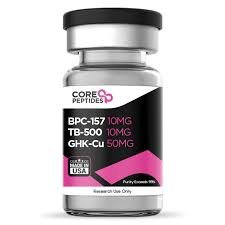
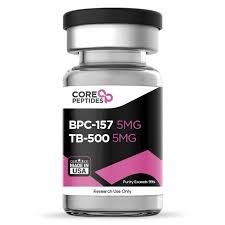
BPC-157 and TB-500 Peptide Blend
- Price range: $105.00 through $190.00
- Select options This product has multiple variants. The options may be chosen on the product page
Reviews
There are no reviews yet.