
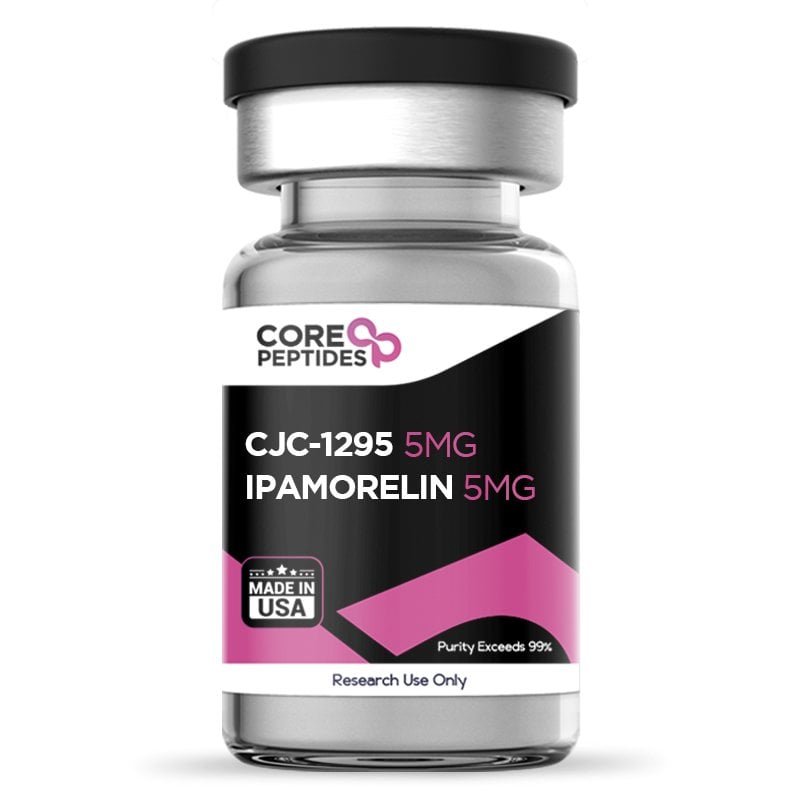
CJC-1295 & ipamorelin 10mg
$90.00
CJC-1295 and Ipamorelin peptide blend is a synthetic research formulation studied in growth hormone secretagogue pathways. CJC-1295 is a modified GHRH analog with extended stability in plasma. Ipamorelin is a selective pentapeptide studied for interaction with the GHS-R1a receptor. Together, this blend is examined for pituitary signaling dynamics, growth hormone pulsatility, and metabolic research applications. Supplied strictly for laboratory and educational research use.
Description
CJC-1295 and Ipamorelin Peptide Blend Product Description
CJC-1295 and Ipamorelin form a dual peptide blend widely examined in growth hormone signaling research. Both compounds belong to a class of synthetic peptides known as growth hormone secretagogues. Researchers study this blend due to its interaction with pituitary driven growth hormone release pathways and its differentiated kinetic behavior in experimental models.
This peptide blend is supplied strictly for laboratory research and analytical study.
Product Overview
Ipamorelin is a synthetic pentapeptide originally identified under the designation NNC 26-0161. Research literature places it among selective growth hormone secretagogues. Studies describe its affinity for the growth hormone secretagogue receptor known as GHS-R1a, a receptor associated with ghrelin signaling pathways in the hypothalamic pituitary axis. Experimental findings describe growth hormone release without parallel elevation of other anterior pituitary hormones such as prolactin.
CJC-1295 consists of a modified 29 amino acid sequence derived from growth hormone releasing hormone 1 to 29. Scientists designed this peptide as a shortened functional analog of endogenous GHRH. The structure includes four targeted amino acid substitutions at positions 2, 8, 15, and 27. These modifications correlate with increased resistance to enzymatic degradation and extended persistence in circulation during experimental observation.
CJC-1295 and Growth Hormone Signaling
Research describes CJC-1295 as a GHRH receptor agonist acting directly on somatotroph cells in the anterior pituitary gland. Binding to the GHRH receptor initiates intracellular signaling cascades involving G proteins and secondary messengers such as cyclic adenosine monophosphate. These signaling events correlate with increased transcriptional activity related to growth hormone synthesis and release.
Studies also associate CJC-1295 exposure with increased growth hormone pulsatility and elevated circulating insulin like growth factor 1 levels in controlled research environments. Investigators attribute these findings to prolonged receptor stimulation and improved peptide stability in plasma.
Extended Pharmacokinetic Profile
CJC-1295 research highlights the role of structural modification in extending peptide half life. Substitution of amino acids and optional drug affinity complex attachment support binding to circulating plasma proteins including albumin. Experimental data reports peptide presence in plasma beyond 72 hours in pharmacokinetic evaluations. This extended exposure differentiates CJC-1295 from shorter acting GHRH analogs.
Ipamorelin Receptor Interaction
Ipamorelin research focuses on selective activation of the GHS-R1a receptor. Studies describe reversible binding driven by non covalent interactions including hydrogen bonding and intermolecular forces. Activation of this receptor links to Gαq and Gα11 protein signaling. Downstream pathways involve phospholipase C activation, intracellular calcium mobilization, and protein kinase C signaling. These events align with growth hormone release from pituitary somatotroph cells in experimental systems.
Combination Research Profile
When examined as a combined peptide stack, research literature describes complementary activity profiles. Ipamorelin demonstrates rapid onset activity in early observation windows. CJC-1295 contributes sustained receptor stimulation over longer durations. This temporal overlap supports ongoing research interest in combined signaling dynamics and growth hormone pulsatility patterns.
Nitrogen Balance and Metabolic Research
Metabolic studies explore the relationship between growth hormone signaling and nitrogen handling. Research involving Ipamorelin describes reductions in hepatic urea nitrogen production during experimentally induced catabolic states. Investigators report normalization of nitrogen balance and altered expression of urea cycle related messenger RNA in liver tissue models. These findings support continued investigation into peptide mediated metabolic signaling.
Chemical Specifications
CJC-1295
Molecular formula C152H252N44O42
Molecular weight 3367.9 g per mol
Alternate names Mod GRF 1-29, CJC-1295 no DAC
Ipamorelin
Molecular formula C38H49N9O5
Molecular weight 711.8 g per mol
Alternate name NNC 26-0161
Research Use Disclaimer
CJC-1295 and Ipamorelin peptide blend is supplied for laboratory research and educational study only. This product is not approved for human or veterinary use. All referenced effects originate from controlled experimental and preclinical research models.
Certificate of analysis
Related products
-
- peptides
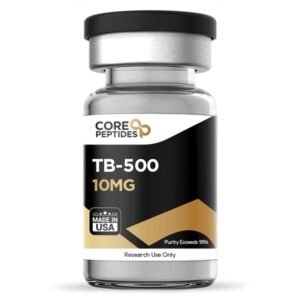
TB-500 (thymsoin beta 4) (5mg /10mg)
- Price range: $85.00 through $150.00
- Select options This product has multiple variants. The options may be chosen on the product page
Reviews
There are no reviews yet.