Peptides Overview

Peptides are short chains of amino acids. Amino acids form proteins in the body. Peptides usually contain 2 to 100 amino acids. Proteins contain longer chains.

Your body produces many peptides every day. These peptides control essential biological processes. Examples include metabolism, hormone signaling, immune response, tissue repair, and cell movement.

One well known peptide is insulin. Insulin contains 51 amino acids. It helps move glucose from blood into cells for energy storage and use.

How Peptides Work in the Body

Peptides act as signaling molecules. They bind to receptors on cells. This binding triggers specific biological responses.

Key peptide functions include:
• Regulating blood sugar
• Controlling appetite and digestion
• Supporting immune defense
• Managing inflammation
• Guiding tissue growth and repair
• Influencing hormone release

The body breaks peptides into amino acids after use. These amino acids reenter normal metabolic cycles.

Peptides vs Proteins

Both peptides and proteins consist of amino acids linked by peptide bonds. Length defines the difference.

General classification:
• 2 to 20 amino acids. Oligopeptides
• 21 to 100 amino acids. Polypeptides
• Over 100 amino acids. Proteins

This distinction helps researchers describe biological behavior and stability.

Medical History of Peptides

Peptide research began in the early 20th century. Scientists synthesized insulin in 1921. Clinical use followed in 1923.

Since then, peptide based medicines expanded across many fields. Modern medicine uses peptides in endocrinology, oncology, gastroenterology, infectious disease, and pain management.

Peptide Benefits Supported by Research

Peptides in Medicine

Over 100 peptide drugs hold FDA approval in the United States.

Common therapeutic uses include:
• Diabetes management
• Cancer treatment
• Osteoporosis therapy
• Digestive disorders
• Hormone regulation
• Chronic pain control

Examples include semaglutide, liraglutide, teriparatide, and enfuvirtide. These drugs undergo strict testing and regulation.

Peptides for Skin Health

Skin naturally produces antimicrobial peptides. These peptides protect against bacteria and support wound healing.

Topical peptides used in dermatology support:
• Skin barrier strength
• Moisture retention
• Elasticity
• Repair after damage

Collagen peptides receive wide use in skin care. Aging reduces natural collagen production. Lower collagen levels lead to wrinkles, sagging, and reduced firmness.

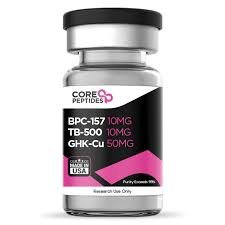
Copper peptides such as GHK Cu support collagen and elastin production. Research links these peptides to improved skin texture, thickness, and tone.

Palmitoyl pentapeptide 4 supports collagen signaling in skin cells. Many anti aging creams include this ingredient.

Peptides for Hair Growth

Certain peptides support hair follicle activity. Collagen peptides and copper peptides show association with thicker hair strands and improved scalp condition.

Topical peptide serums target the scalp directly. Oral collagen peptides support hair structure through amino acid availability.

Peptides for Muscle and Recovery

Creatine peptides and collagen peptides support muscle repair and connective tissue health. These peptides assist recovery after physical stress.

Synthetic growth hormone secretagogues raise safety concerns. Sports authorities ban these substances in competitive athletes.

Peptides for Bone Health

Collagen peptides support bone matrix structure. Clinical studies show improved bone mineral density in postmenopausal individuals after long term supplementation.

FDA approved peptide drugs treat osteoporosis by stimulating bone formation.

Peptides and Hormone Support

Some peptides influence hormone signaling pathways. Kisspeptin and gonadorelin affect reproductive hormone release.

Clinical studies show increased testosterone levels after controlled medical use in specific populations. These peptides require medical supervision.

Peptide Therapy

Peptide therapy refers to targeted peptide use for physiological support or treatment. Administration depends on peptide stability and purpose.

Delivery methods include:
• Oral supplements
• Topical creams or serums
• Nasal sprays
• Transdermal patches
• Medical injections

Injectable peptides bypass digestive breakdown. This route improves bioavailability for unstable peptides.

Peptide Supplements

Dietary peptide supplements appear as powders, capsules, and shakes. Popular products include collagen peptides and creatine peptides.

Digestive enzymes break most oral peptides into amino acids. This limits direct peptide absorption.

Scientific evidence supporting supplement claims remains limited. Product quality varies widely due to low regulatory oversight.

Peptides in Food

Peptides form naturally during digestion of protein rich foods.

Dietary sources include:
• Meat
• Fish and shellfish
• Eggs
• Beans and lentils
• Soy
• Oats
• Seeds and whole grains

Balanced protein intake supports natural peptide production.

Safety and Side Effects

Medically prescribed peptides show strong safety profiles under supervision.

Dietary supplements pose higher risk due to inconsistent manufacturing standards.

Reported side effects include:
• Allergic reactions
• Digestive discomfort
• Headaches and fatigue
• Skin irritation with topical use
• Cardiovascular symptoms in rare cases

People who are pregnant, nursing, managing chronic illness, or using medication should consult a healthcare professional before use.

Key Facts About Peptides

• Peptides are short amino acid chains.
• The body produces peptides naturally.
• Peptides regulate hormones, metabolism, immunity, and repair.
• FDA approved peptide drugs treat many diseases.
• Evidence for supplements varies by product.
• Medical guidance improves safety.

Peptides continue to play a growing role in medicine, dermatology, and metabolic health. Scientific research remains active across multiple clinical fields.